
Insight ·
The first 24 hours: how to respond when a story breaks
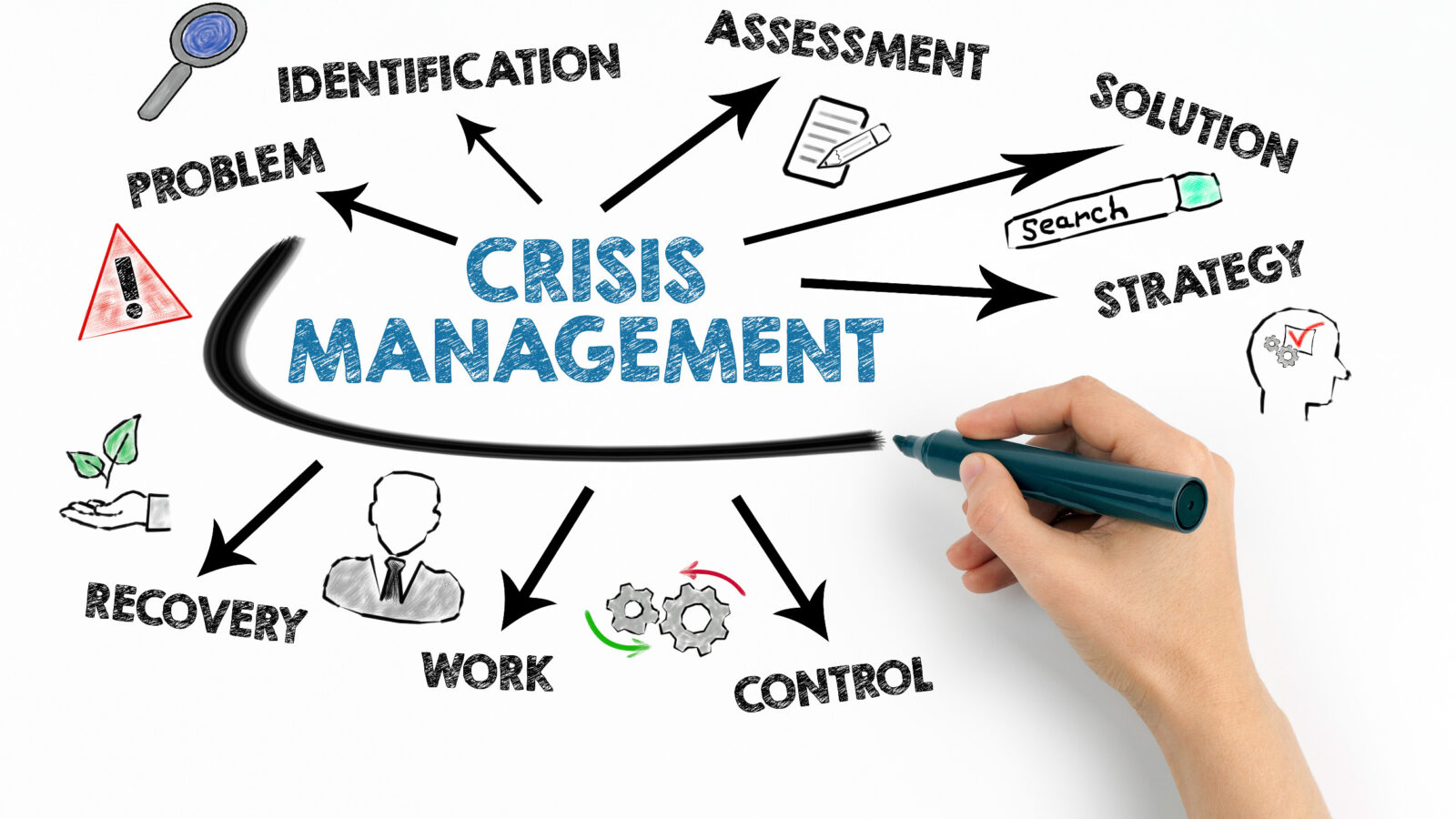
The first statement sets the tone for everything that follows. Here is how to use the first day of a crisis to protect trust instead of losing it.
Most reputational crises are not lost because of what happened. They are lost because of what an institution said, or failed to say, in the first few hours. Silence is read as guilt, guesswork is read as dishonesty, and a defensive tone is read as arrogance. The good news is that the first day can be planned for.
Establish the facts before you speak
Before anyone speaks publicly, a small team should agree what is known, what is not yet known and what is being done about it. A statement that has to be withdrawn later does more damage than a short delay.
Do not say “no comment”
A short holding statement buys time without looking evasive. It should acknowledge the issue, show concern for anyone affected, explain what is being done and say when more information will follow.
Choose one spokesperson
Several voices produce several versions of the story. Choose one credible spokesperson, brief them properly and make sure everyone else knows to refer questions to them.
Tell your own people first
Staff, board members and key partners should not learn about a crisis from the news. A brief internal message, sent before or with the public statement, keeps them informed and reduces the risk of leaks and speculation.
A crisis plan prepared in advance turns these steps into habit. The institutions that come through a crisis with their reputation intact are usually the ones that practised before it arrived.